
Tommy’s logoTommy’s Emporium
Tommy’s Tomato & Pepper Emporium logo
Alto, Michigan
Home of E.A.T. MI APPLES

Michigan-grown, from seed to harvest

What started as an apple tree grew into an orchard, the orchard grew into a garden, and the garden grew into the Emporium.

Online ordering for Michigan customers coming soon.Want something now? Drop us a note.

Grown from seed in Alto, Michigan

It starts in Michigan soil

We grow for flavor and variety: a dozen tomatoes, fourteen peppers and a dozen apples, chosen for how they taste, not how long they last on a store shelf.

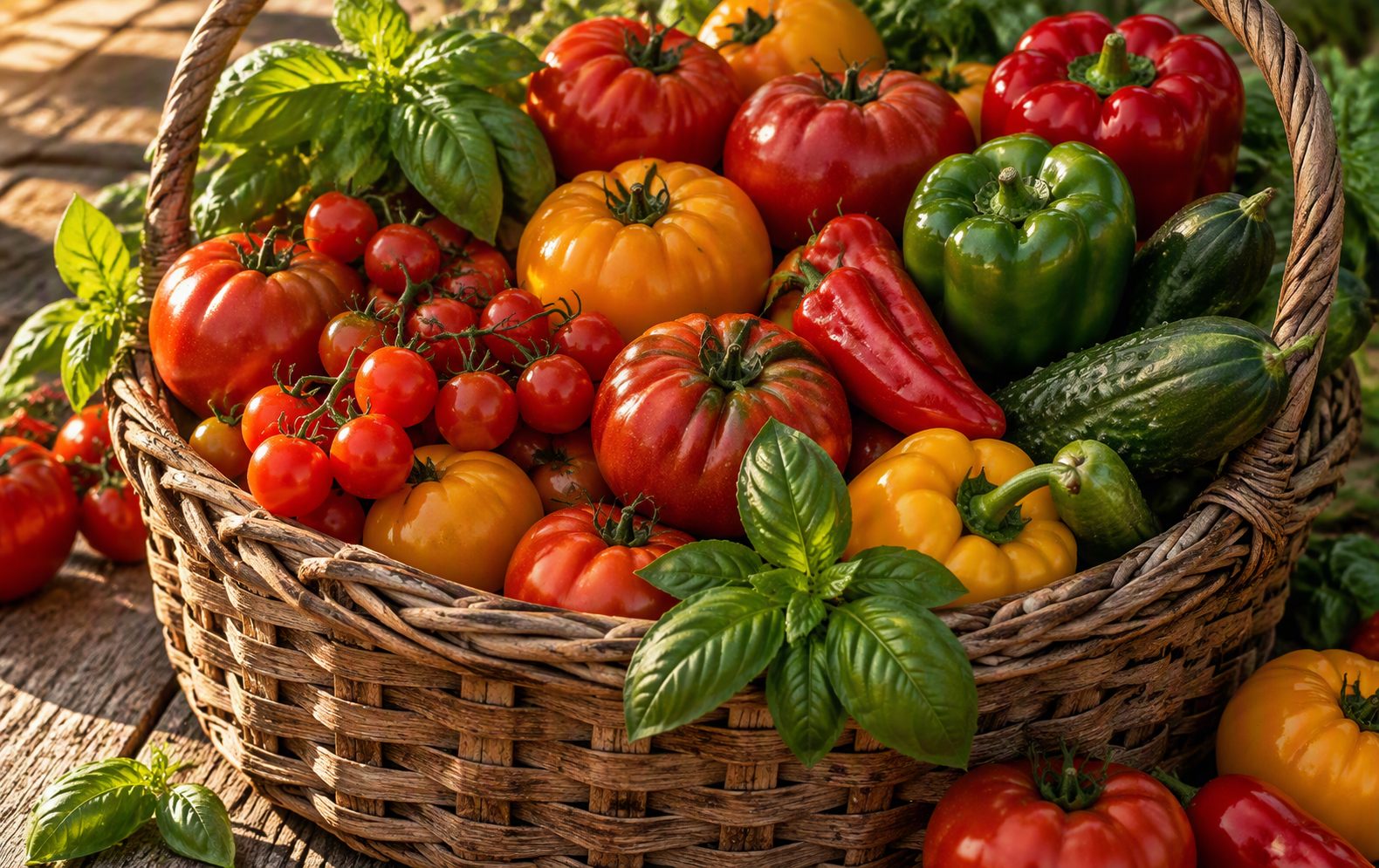
Crate of colorful heirloom tomatoes
The garden

Tomatoes, peppers & garden vegetables

Tomatoes and peppers put our name on the sign, and they’re still the stars of the garden, joined by sweet corn, squash, cucumbers, carrots, brassicas and more.

Our selections follow Michigan’s growing seasons, so what comes off the vine changes from spring to fall.

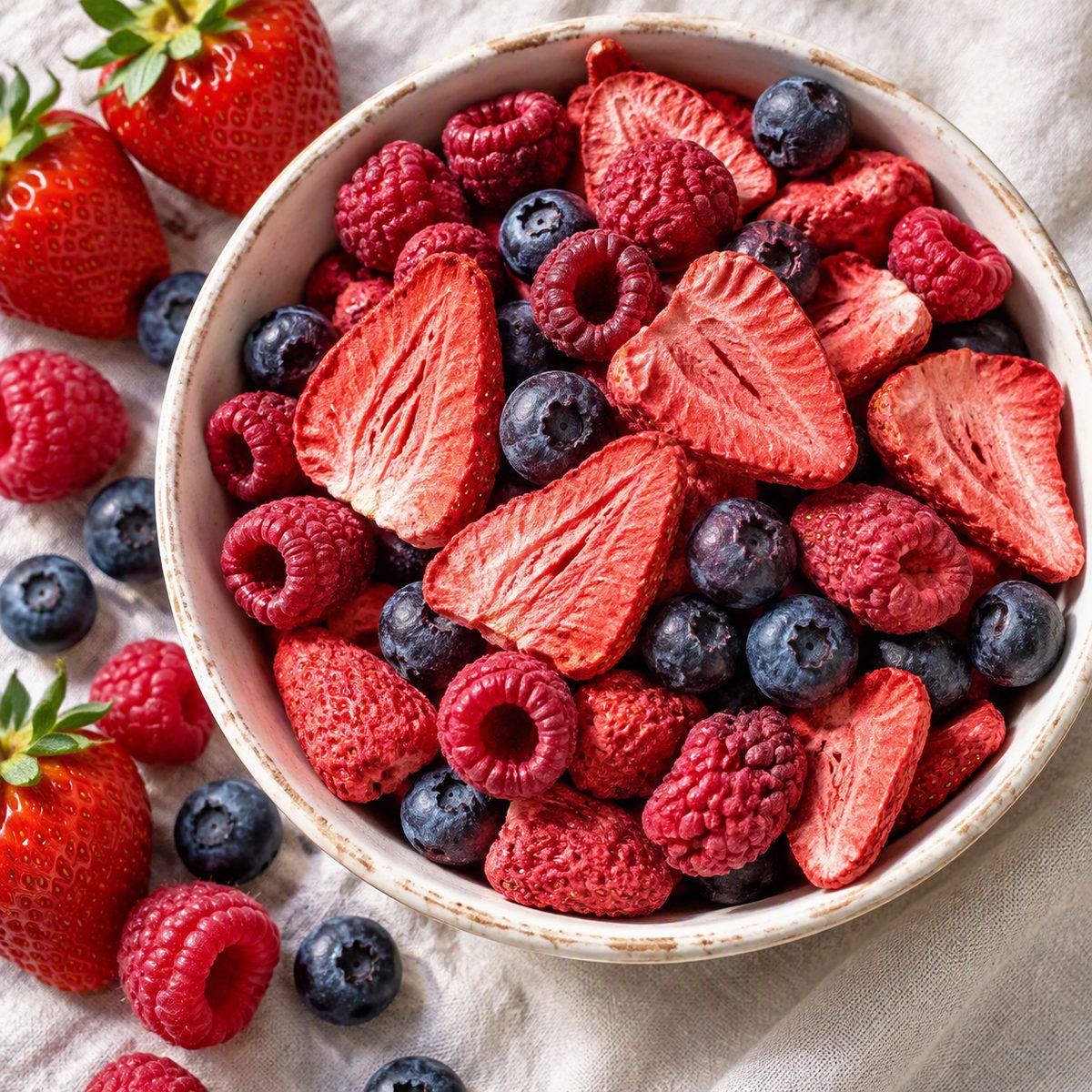
A bowl of freeze-dried strawberries, raspberries and blueberries
Berries & vegetables

Garden goods, preserved at their peak

Freeze-drying captures berries, garlic and garden vegetables at their best: light, crisp and full of flavor. Snack on them, cook with them, or keep them on hand long after the season ends.

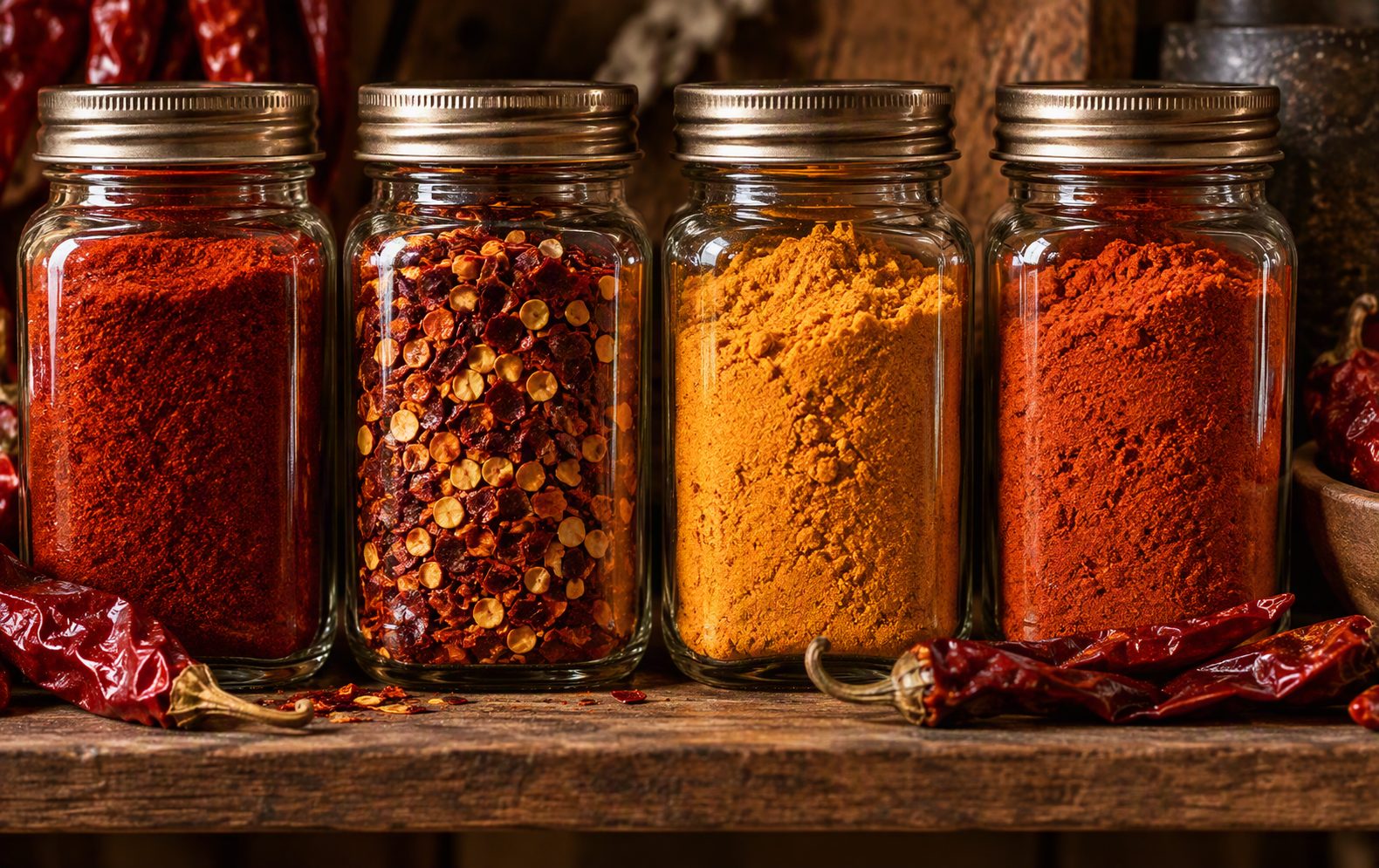
Tomato powder, pepper flakes and herbs
The pantry

Powders, flakes & seasonings

Tomato, pepper and pumpkin powders, pepper flakes, seasoning rubs and sauce mixes, made from the garden harvest and built for practical use in the kitchen.

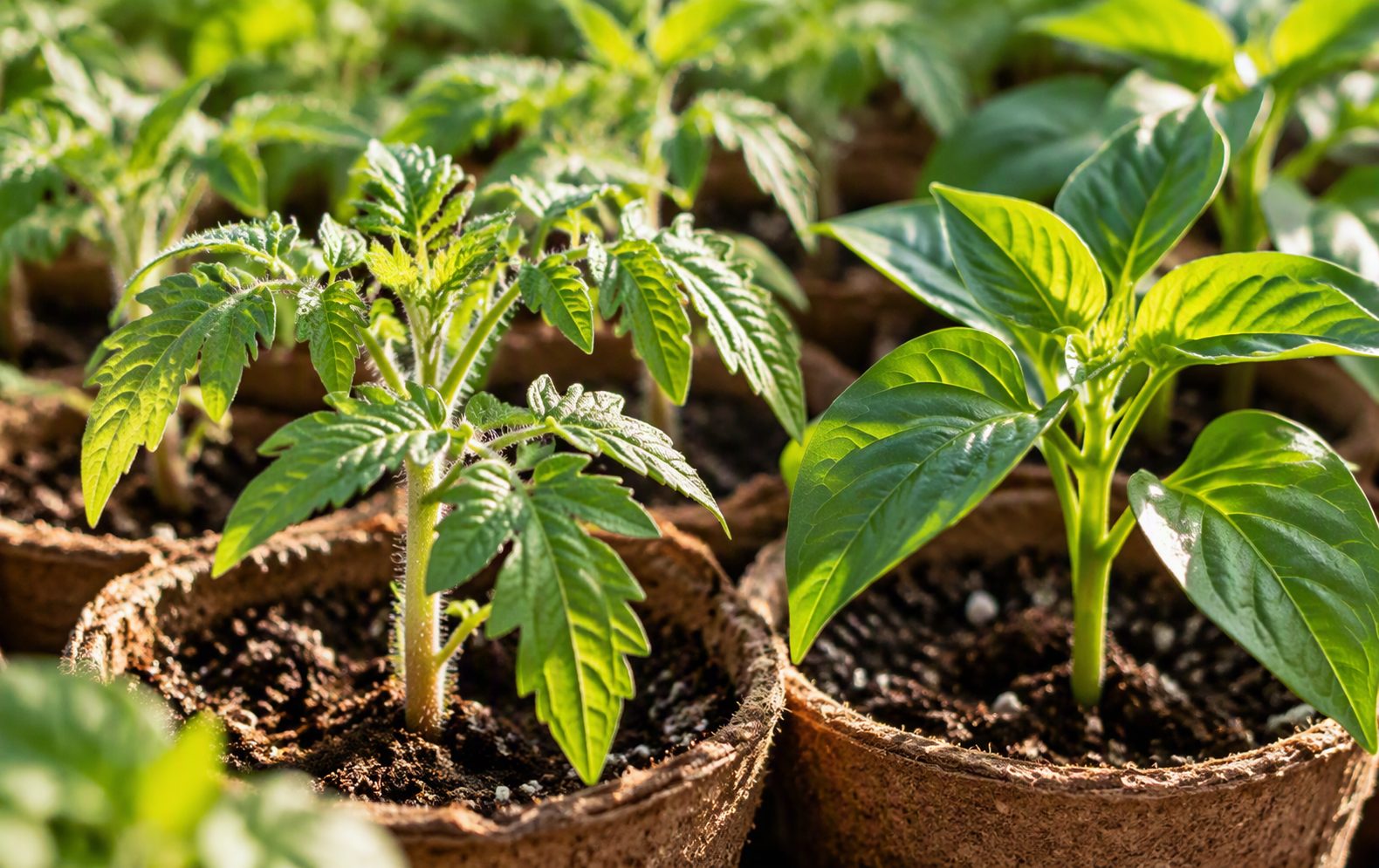
Trays of tomato, pepper and flower seedlings
Seedlings

Started from seed, every one

Every garden crop and annual flower starts from seed. Each spring we raise tomato, pepper, vegetable, herb and flower seedlings for our beds and for sale.

Grown from seed. Picked at its peak. Michigan through and through.

Explore the harvest

Take a closer look at what we’re growing.

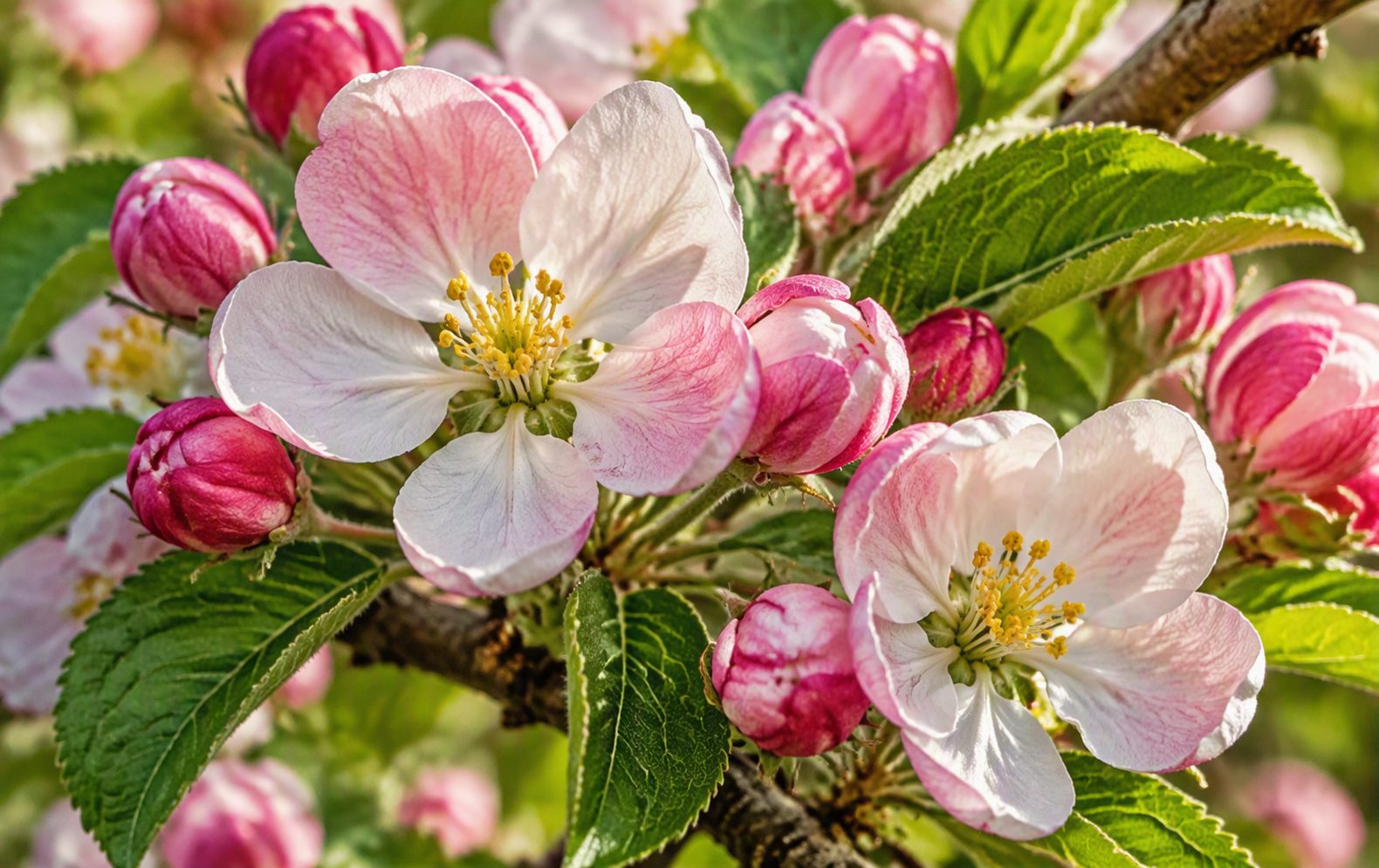
Apple blossoms in spring
Our story

How the Emporium grew

It started with an apple tree. One tree grew into an orchard of apples, peaches, pears and nectarines. Then came tomatoes and peppers, followed by rows of vegetables, herbs, flowers, berries, melons and sweet corn. Every season added something new, and somewhere along the way we became Tommy’s Tomato & Pepper Emporium. We’re still growing from there.

The Emporium brings it all together in Alto, Michigan: fresh produce, orchard fruit, seedlings, and a pantry of freeze-dried goods, powders and seasonings.

01Start with the soilHealthy soil grows better plants, so we feed it every season.
02Use the whole harvestWhat we don’t eat fresh, we freeze-dry, powder or season.
03Keep learningEvery season teaches us something about what grows best here.
E.A.T. MI APPLES logo
A brand of Tommy’s Tomato & Pepper Emporium

E.A.T. MI APPLES

The orchard side of the Emporium.

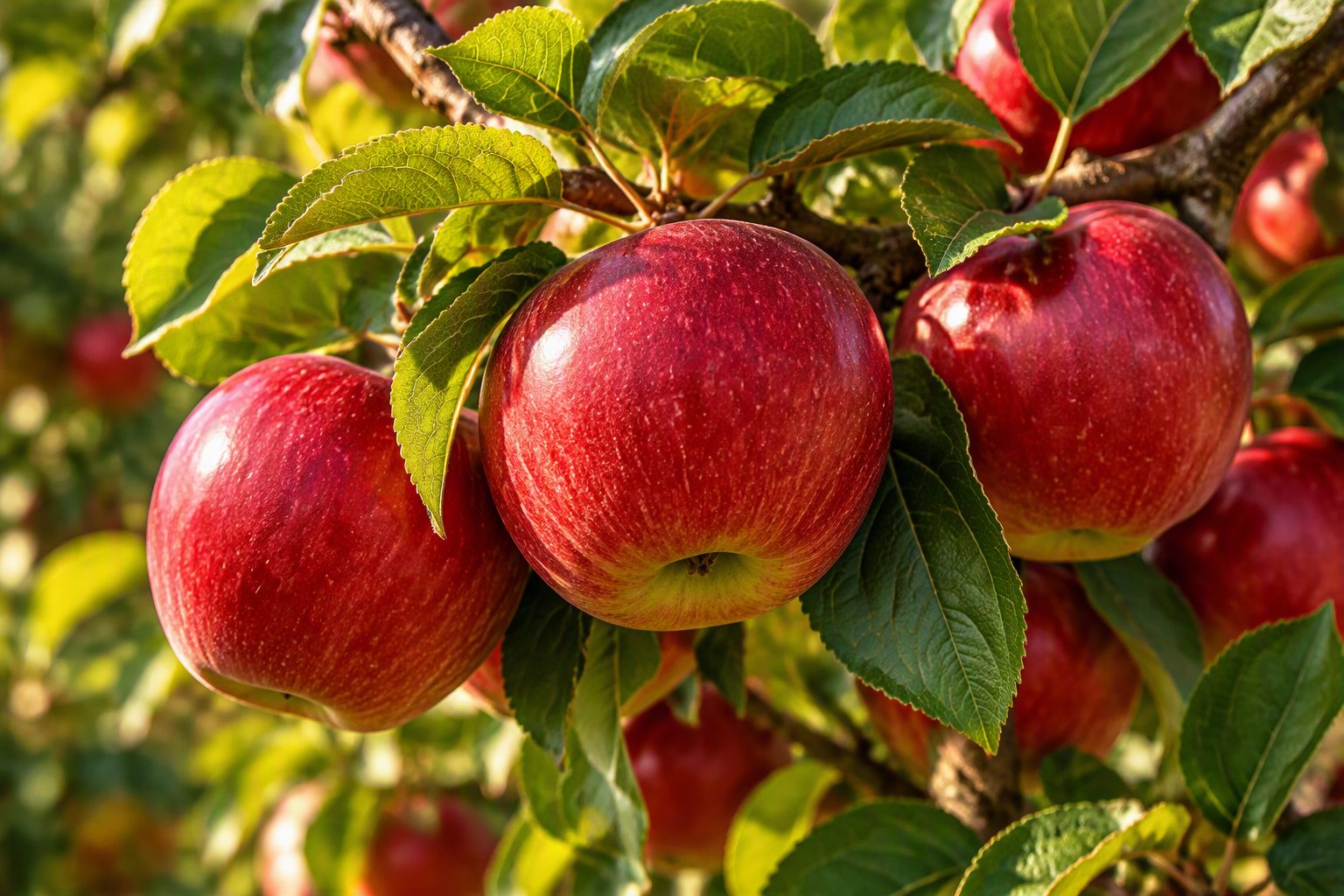
The orchard came first, and it’s still the heart of the Emporium. Peaches and nectarines kick off the season in July, pears follow, and twelve apple varieties ripen from early August into November. We pick each variety when it’s ready for fresh eating and baking, and save some of the harvest as freeze-dried fruit to enjoy all year.

Ripe red apples on a branch

Explore the orchard

Select any fruit to meet the trees: their history, flavor and harvest window.

Harvest timeline

When the orchard ripens

Approximate harvest windows, July through early November. Timing shifts with each season’s weather.

E.A.T. MI APPLES is a brand of Tommy’s Tomato & Pepper Emporium LLC.

Tips & Tricks

Getting the most from the pantry

A little know-how goes a long way. Here are some things we’ve learned about getting the best flavor, texture and usefulness from what comes out of the Emporium.

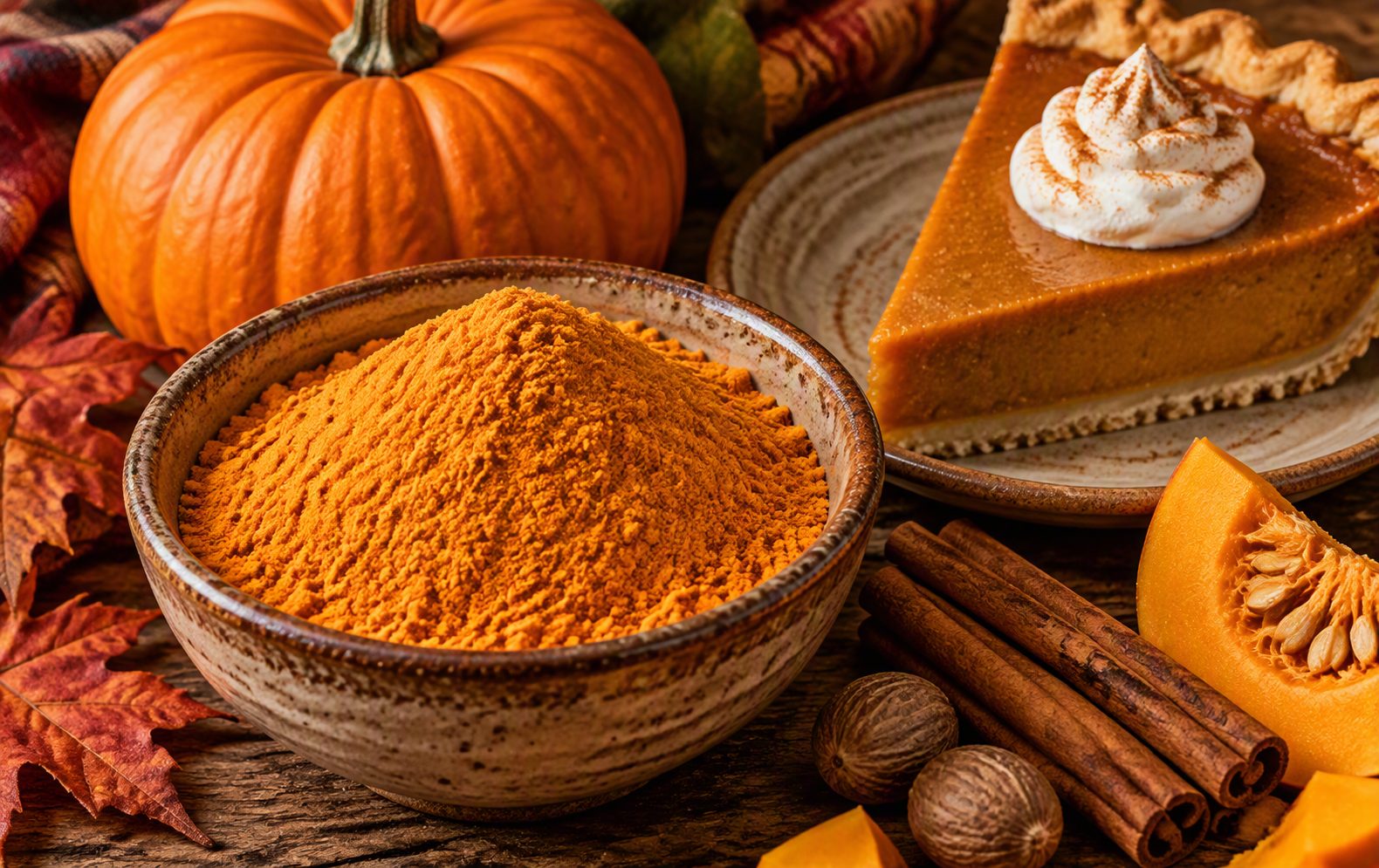
Pumpkin powder beside a pumpkin and a slice of pie
Pumpkin powder

From powder to pie

Pumpkin powder is pumpkin with nearly all the water removed. Add the water back and you have purée. Leave it out and it works as a concentrated flavor and color booster.

1 : 4Powder to waterOur starting point for purée, by volume
½ cup≈ one 15-oz canAbout a standard pie’s worth of purée

How to make purée

  1. Measure the powder into a bowl.
  2. Whisk in hot water a little at a time. Start with about 1½ cups of water for ½ cup of powder.
  3. Let it rest 10 to 15 minutes to fully rehydrate and thicken.
  4. Add more water a spoonful at a time until it matches canned purée.
Making a pie? Rehydrate first, then follow your usual recipe exactly as if you’d opened a can. Measure the finished purée, not the powder.

Use it straight from the bag

OatmealSmoothiesPancake & waffle batterMuffins & quick breadsSoups & chiliYogurtCoffee drinks

Start with 1 to 2 tablespoons. In baking, you can swap a few tablespoons of flour for powder and add a splash of extra liquid.
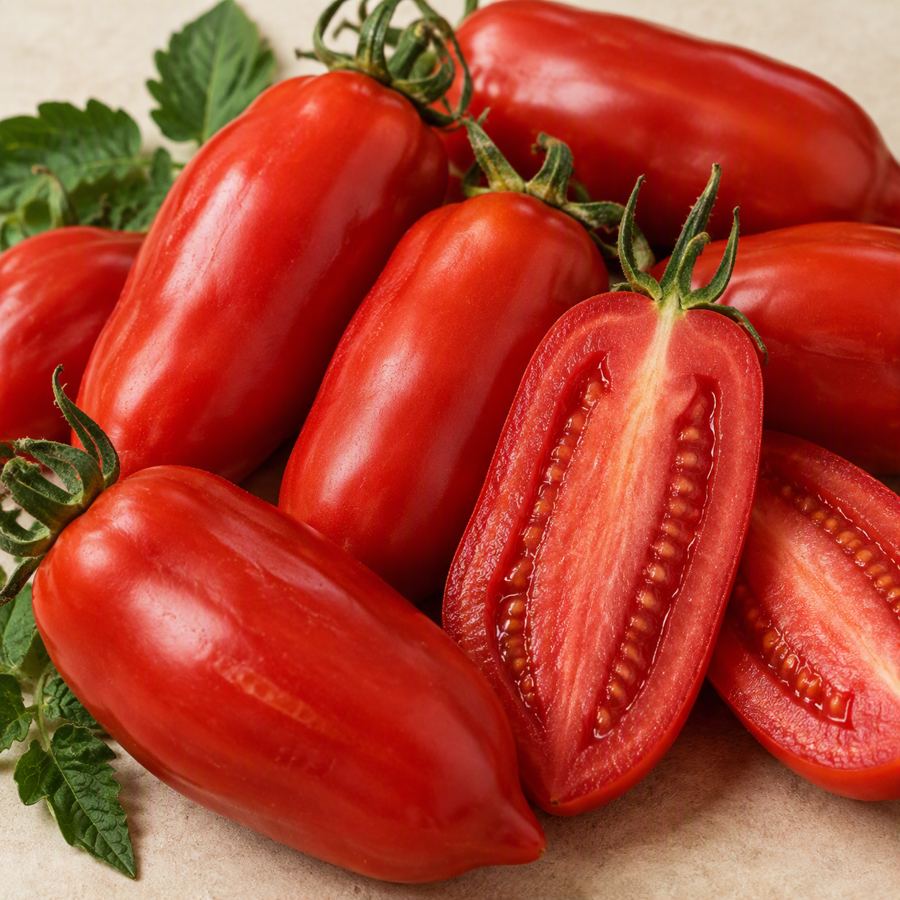
San Marzano paste tomatoes
Tomato powder

A can of paste, without the can

Tomato powder is concentrated tomato flavor. Mix only what you need, so there’s never another half-used can of paste in the fridge.

1 : 1Tomato paste¼ cup powder + ¼ cup hot water ≈ a 6-oz can
1 : 2Tomato sauce¼ cup powder + ½ cup hot water
1 : 3+Soup base or juiceKeep adding water to taste

How to rehydrate

  1. Use hot water. Cold water doesn’t rehydrate as well.
  2. Whisk right away to prevent lumps.
  3. Let it rest about 5 minutes. It thickens as it sits.
  4. Taste and adjust. A pinch of salt, sugar or a little acid brightens it up.
Ratios are starting points. Different powders and recipes vary, so adjust the water to the thickness you like.

Use it straight from the bag

Soups & stewsChiliPizza & pasta sauceDry rubsEggsPopcornSalad dressingsRice & grains
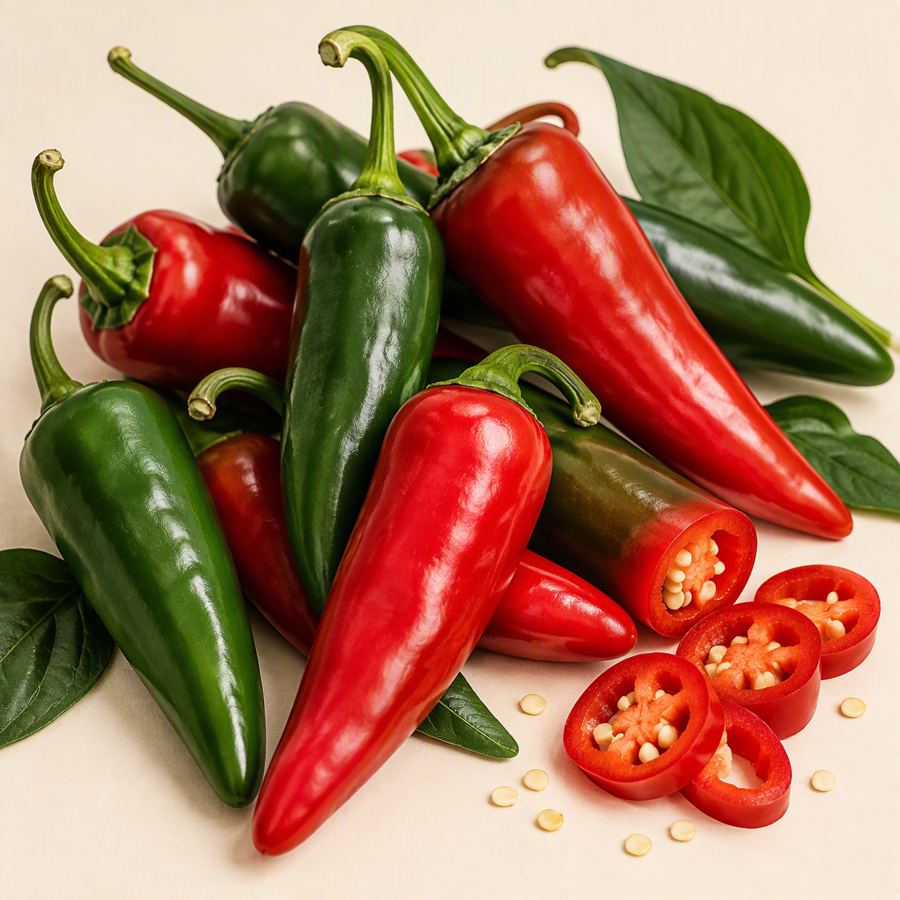
Fresno chili peppers
Pepper powders & flakes

Bring the heat, gradually

Our pepper products range from sweet to seriously hot. Each pepper’s heat is listed in its variety profile, in Scoville heat units (SHU).

Getting the amount right

  • Start with about ¼ teaspoon, taste, then add more. You can always add heat, but you can’t take it out.
  • Heat builds as a dish simmers, so taste again before serving.
  • Warm flakes in a little oil for 30 seconds before adding other ingredients. It wakes up the flavor.
Handle hot powders with care. Avoid touching your eyes, and wash your hands after handling the hotter varieties.

Keep the color bright

Light and heat fade red pepper powders over time. Store them away from the stove and out of sunlight for the best color and flavor.

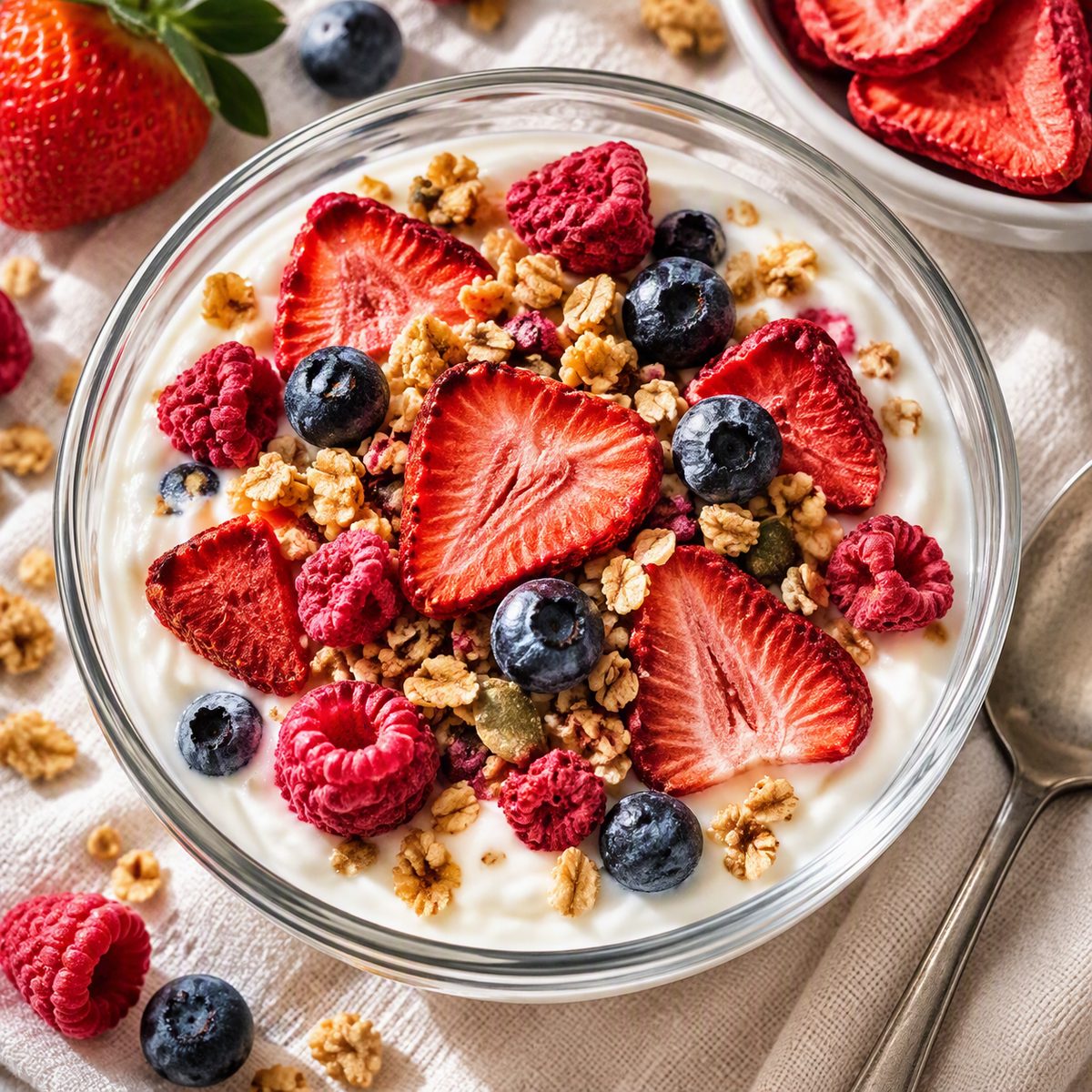
Yogurt topped with freeze-dried strawberries, raspberries and blueberries
Freeze-dried goods

Crisp from the bag, ready for the kitchen

Snack straight from the bag

Freeze-dried fruit is light and crisp. Eat it as is, toss it into cereal or yogurt, or pack it for the trail.

Rehydrate

  1. Cover with water: cool water for fruit, warm water for vegetables.
  2. Soak 5 to 15 minutes, until tender.
  3. Drain and use like fresh or frozen.

For soups, stews and casseroles, skip the soak and add freeze-dried vegetables straight in with a little extra liquid.

Crush it

Blitz freeze-dried berries into a powder to color and flavor frosting, whipped cream, smoothies or yogurt.

Once the bag is open, freeze-dried food starts pulling moisture from the air. Reseal it right away to keep the crunch.
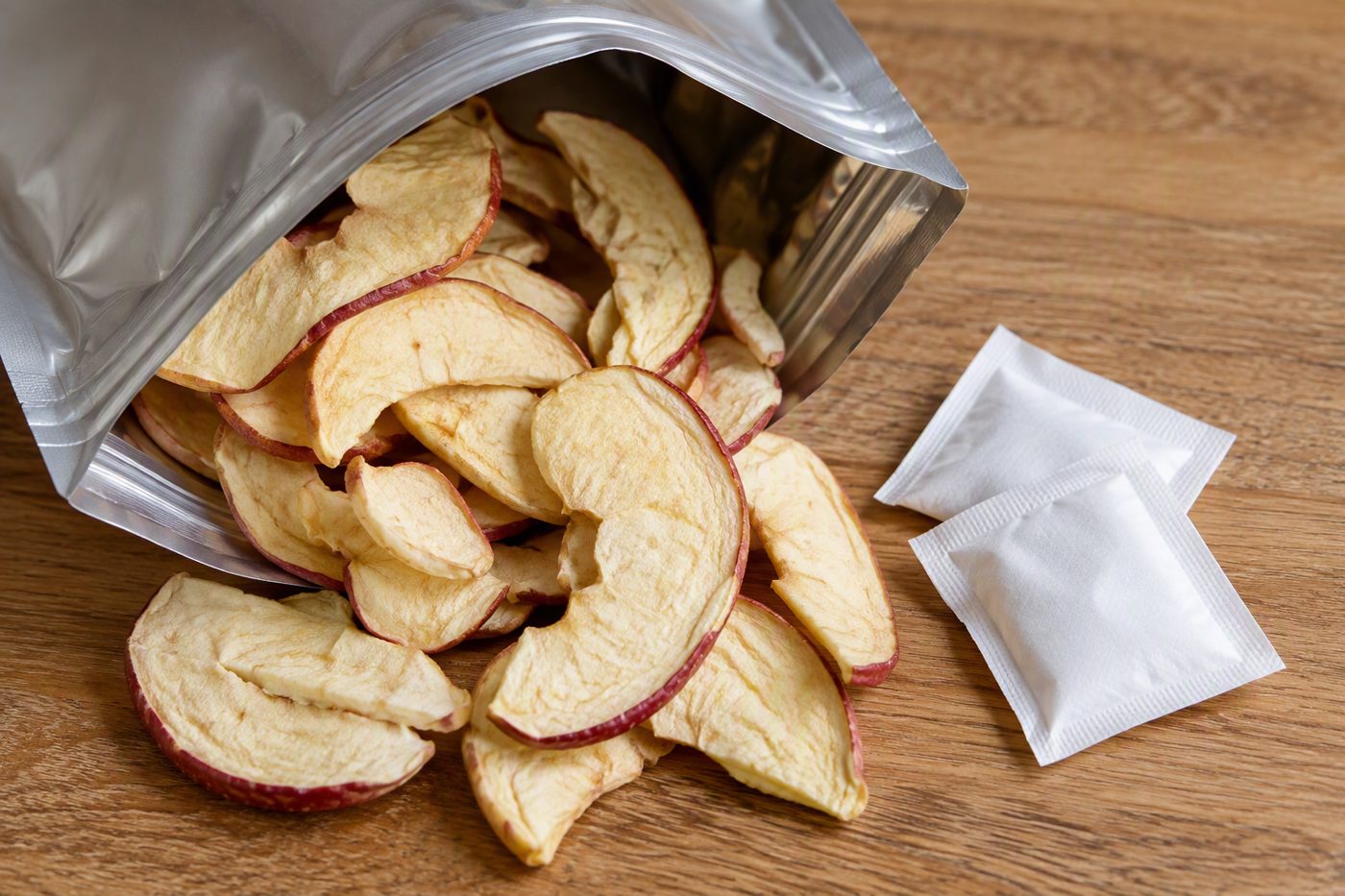
Open pouch of freeze-dried apple slices beside two small unprinted packets
Those little packets

What they are, and what to do with them

Some of our bags include one or two small packets. They’re there to protect the food. Both are food-safe, but neither is food.

Oxygen absorber

Soaks up oxygen in the bag to protect flavor, color and freshness.

After opening, room air uses it up within a few hours.

Throw it away after opening

Desiccant

Soaks up moisture to keep powders loose and freeze-dried foods crisp.

After opening, it keeps working until the bag is empty.

Leave it in until empty
Do not eat either packet, and keep them away from children and pets. Don’t reuse oxygen absorbers or put them in the microwave.
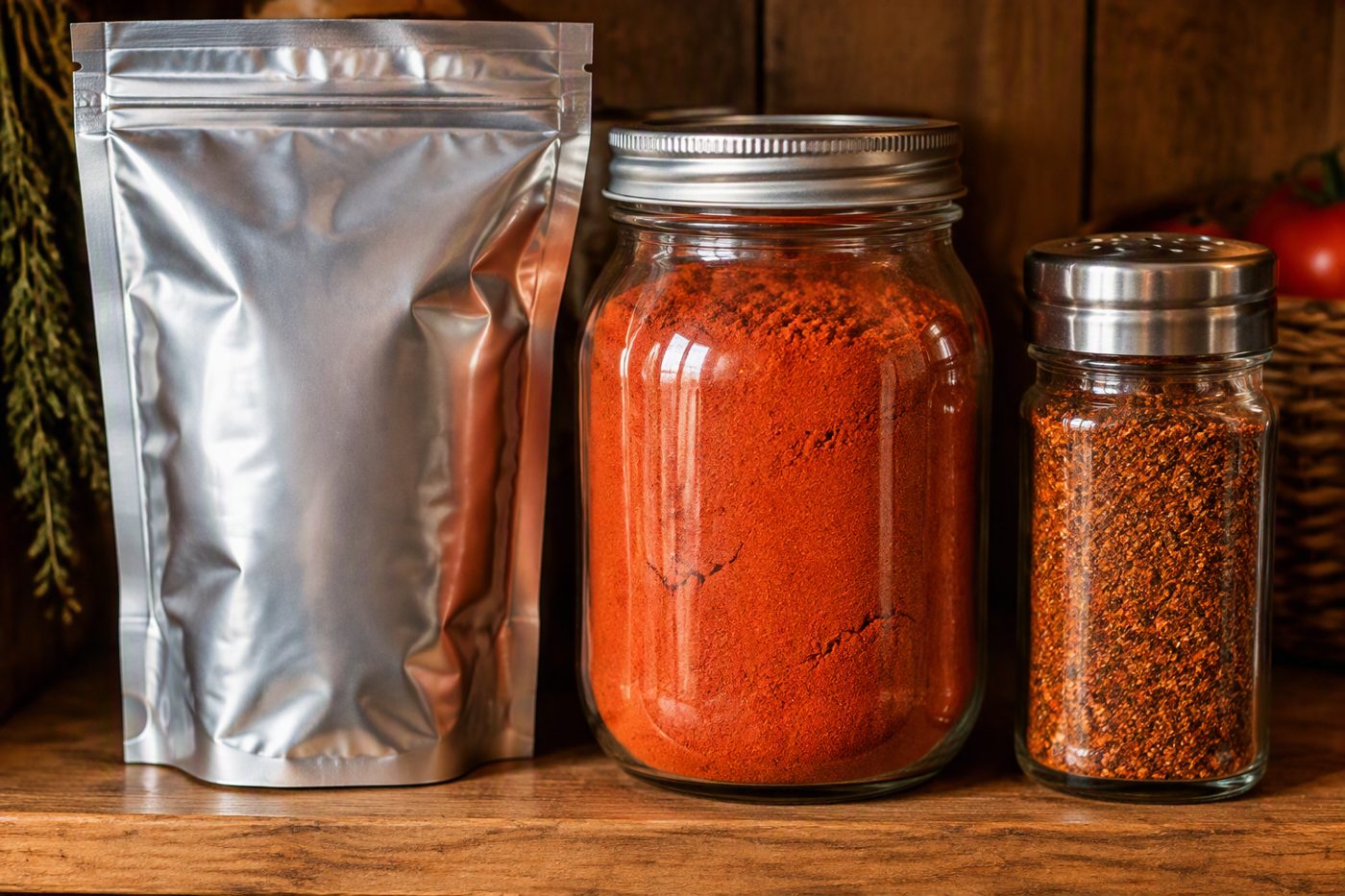
A foil pouch, a mason jar of tomato powder and a shaker jar of seasoning on a pantry shelf
Keep it fresh

Dry, dark and sealed

  • Press out the air and reseal the bag tightly every time.
  • Store in a cool, dark, dry cupboard, away from the stove and dishwasher.
  • Use a dry spoon. Moisture is the enemy of powders.
  • Skip the fridge. Moving dried foods in and out of the cold causes condensation, which leads to clumping and lost crunch. A cool, dark cupboard is best for bags, jars and shakers alike.
  • No need to repackage. Our resealable bags are the best home for the contents, so just press out the air and zip it closed.
How long will it last?

It depends on how it’s packed. Use this as a guide.

Mylar bagsFreeze-dried goods, sealed with an oxygen absorber
Unopened

Up to 25 years, stored cool, dark and dry.

Once opened

Snacks: a few weeks for the best crunch. Powders: a few months. Press out the air and reseal every time.

Mason jarsGlass jars with a sealed lid
Unopened

About a year for the best quality. Keep jars in a dark cupboard, since glass lets in light.

Once opened

Same as an opened bag. Close the lid tightly right after each use.

Shaker jarsSpices, rubs and seasonings
Unopened

1 to 2 years for the best flavor.

Once opened

Best within 6 to 12 months.

Dried foods don’t suddenly spoil past these windows; flavor, color and crunch slowly fade.

My powder is clumping. Is it bad?

Clumping means it picked up a little moisture. Break up the clumps with a fork or a quick shake, and it’s fine to use. Next time, reseal sooner and keep it somewhere drier.

When should I throw it out?

If you see mold, notice an off or musty smell, or a crisp product has turned soft and sticky, throw it away.

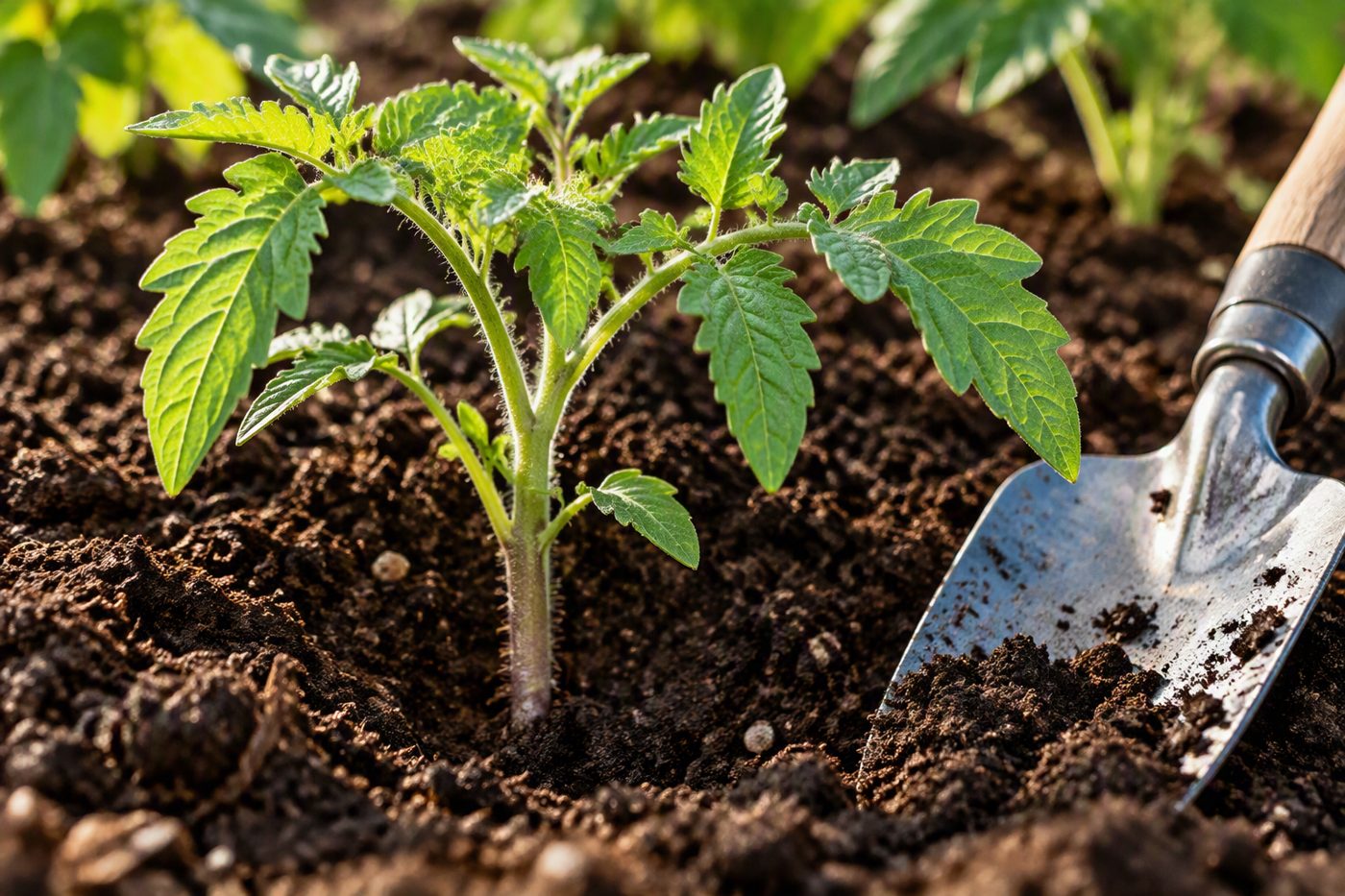
A young tomato seedling planted deep in dark soil beside a hand trowel
Seedlings

From our trays to your garden

Harden them off

Seedlings need a week or so to adjust to sun, wind and cool nights.

  1. Day 1: set them outside for an hour or two in shade.
  2. Over 7 to 10 days, gradually add time and sun.
  3. Bring them in on cold or very windy nights.
  4. Keep them watered. Small pots dry out fast outdoors.

When to plant in Michigan

It depends on the crop. Our seedlings come in two groups.

Cool-season

April to early May

Broccoli, cauliflower, kale, Brussels sprouts and lettuce.

These like cool weather and handle a light frost, so they go out early. Cover them if a hard freeze is in the forecast.

Warm-season

Mid to late May

Tomatoes, peppers, melons, squash, herbs like basil, and annual flowers.

Wait until the danger of frost has passed and nights stay above about 50°F.

Planting tips

  • Tomatoes: plant deep, burying the stem up to the first set of leaves. Roots grow all along the buried stem.
  • Peppers: plant at the same depth as the pot, in a warm, sunny spot.
  • Broccoli, cauliflower, kale and Brussels sprouts: plant at the same depth or slightly deeper, and give them room. A light row cover protects them from late frost and cabbage worms.
  • Water in well after planting, then mulch to hold moisture.
  • Plant on a cloudy day or in the evening to reduce transplant stress.
Contact

Let’s talk harvest

Questions about our garden, orchard, seedlings, or products? Drop us a note.

Looking for something specific? Fresh produce, seedlings and pantry goods follow the seasons. Product availability and pickup are arranged individually; the Emporium is not a walk-in retail location.

Tommy’s Emporium

We answer every message by email.

Alto, Michigan
Home of E.A.T. MI APPLES

Your email app will open with your message ready to send.

Join the harvest list

Hear what’s ripening, what’s new in the pantry and when seedlings are ready.

Emporium news only. We use MailerLite to manage subscriptions and deliver updates. Your information is never sold. Unsubscribe anytime.

The garden

Our tomatoes

Twelve named varieties, from grape and cherry tomatoes to slicers and sauce tomatoes.

Select any tomato for details.

The garden

Our peppers

Fourteen sweet, mild and hot varieties.

Select any pepper for details.

The garden

Garden vegetables

Seasonal availability changes with the garden and orchard.

Freeze-dried

Freeze-dried goods

StrawberriesRaspberriesBlueberriesGarlicTomatoesMixed vegetables
The pantry

Powders, flakes & seasonings

Tomato powderPepper powderPumpkin powderPepper flakesSeasoning rubsSauce & seasoning mixes

New to powders? See Tips & Tricks for ratios, rehydrating and storage.

Seedlings

Seedlings grown for spring

Annual garden-crop, herb and flower seedlings, started from seed in our own trays.

Named flowers

Vegetables & herbs

TomatoesPeppersGarden vegetablesBasilDillCilantroOreganoThymeChives

Seedlings may be offered for sale seasonally. Seasonal availability varies.

E.A.T. MI APPLES

Our apple trees

Select any variety for its story, flavor and harvest window.

E.A.T. MI APPLES

Our peach & nectarine trees

Peaches

Nectarine

E.A.T. MI APPLES

Our pear trees

E.A.T. MI APPLES

Freeze-dried fruit

ApplesPeachesPearsBananasPineapple
Variety profile

History

Flavor

Maturity

Best uses

Days to maturity are approximate from transplant and vary with Michigan weather and growing conditions.

Privacy

Your privacy

Tommy’s Tomato & Pepper Emporium LLC collects only information you choose to send, such as your name, email address and message.

We use it only to reply and, if you join the harvest list, to send Emporium updates. MailerLite processes subscriber information on our behalf to manage subscriptions and deliver those emails. We do not sell or rent your personal information. You may unsubscribe through any harvest-list email or by contacting tommy@tommysemporium.com.

This website does not use advertising or tracking cookies.